
Movement / Balance
Balance is a conversation.
The still frame looks steady. The water underneath it never agreed to stand still.
Look beyond the finished shape
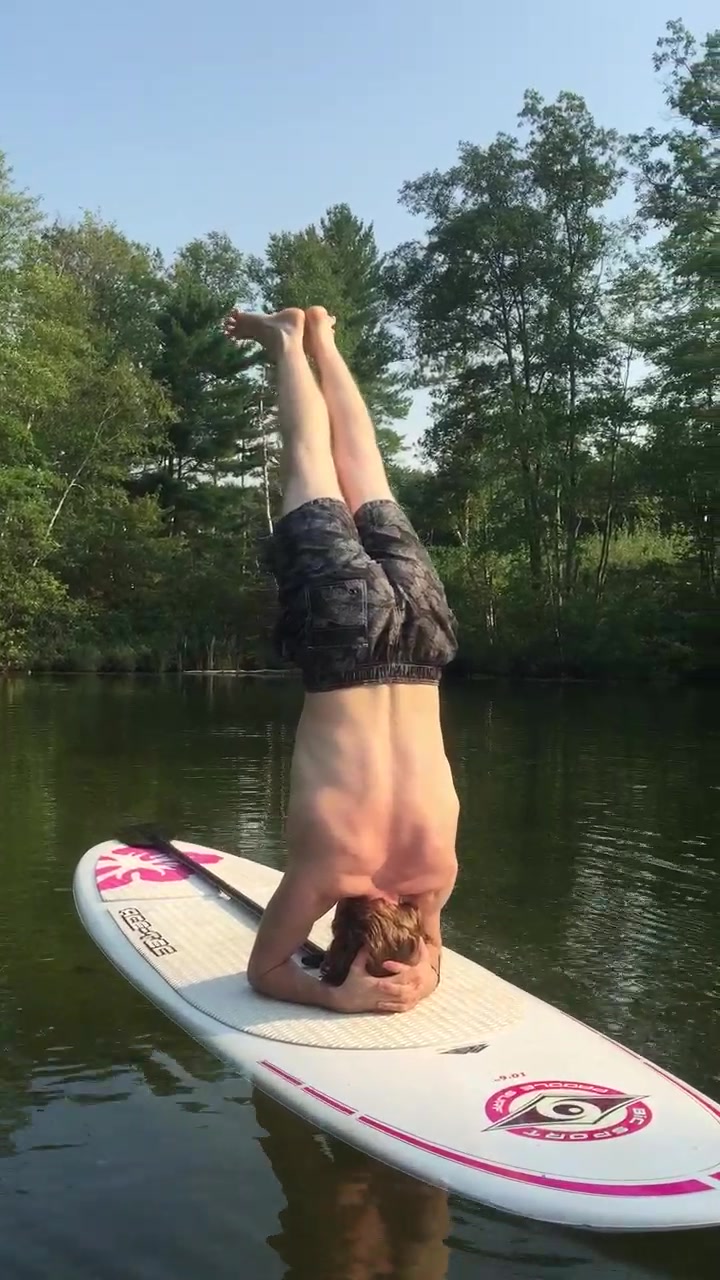
The paddleboard footage in my archive contains a headstand, a changing position and a return toward the board. Taken as a photograph, one moment can look like an achievement that has been secured. Watching the sequence puts the movement back into it.
That is what interests me about this image. The board is floating. My position changes. Balance is happening in relation to something that keeps moving. The photograph holds one instant in an exchange; it does not show a permanent state.
I see a useful way to think about life in that difference. We often recognize the visible result and miss the adjustments that make it possible. The revised expectation, the pause and the decision to try another approach are less photogenic. They are still part of the work.
Respond to what is actually happening
I am drawn to the idea of responsiveness: noticing what has changed and allowing the next action to reflect it. That asks for both attention and flexibility. An intention can be clear while the route remains open to revision.
Outside the practice, I can become attached to the plan I made before I had the current information. A conversation has changed, a constraint has appeared, or my capacity is different that day. Continuing exactly as planned may feel consistent while ignoring the thing I most need to notice.
The question I want to ask is simple: am I responding to this situation, or defending my earlier picture of it? There is room for commitment without pretending that the conditions have stayed the same.
A previous ability is not a present obligation
An old movement photograph records something I did at a particular time. It is not a standard I owe my body every day afterward. That distinction matters in a life that also includes repeated knee surgeries and chronic pain.
I do not want an image of a demanding pose to become the definition of a worthwhile practice. There are many ways to participate, and the visible difficulty of a movement does not tell the whole story. The less dramatic choice can involve more awareness than repeating something for the sake of proving I still can.
For me, adaptation is part of taking the present seriously. It allows a changed body or a changed day to enter the decision. That is a more honest relationship with movement than treating every difference as a failure to reproduce an earlier self.
Leave room to change course
The principle I take from this image is about judgment. A good response depends on the conditions, and conditions deserve to be noticed. The goal is not to turn the photograph into instructions for someone else to follow.
In work, a version of this is holding the purpose steady while revising a process that is not serving it. In a relationship, it may be changing the question when the answer reveals something unexpected. In personal practice, it may be allowing the day to ask for something different.
I want to be someone who can make those adjustments without turning each one into a verdict on my ability. Balance leaves room for movement. A useful practice should leave room for learning.
Stay attentive to the conditions. Keep the purpose in view. Let the next response change when the situation changes.
A personal reflection on movement, attention and how we relate to one another.